Automatic RFC Isobaric Carbonated Beverage Filling Machine Manufacturer In United Kingdom
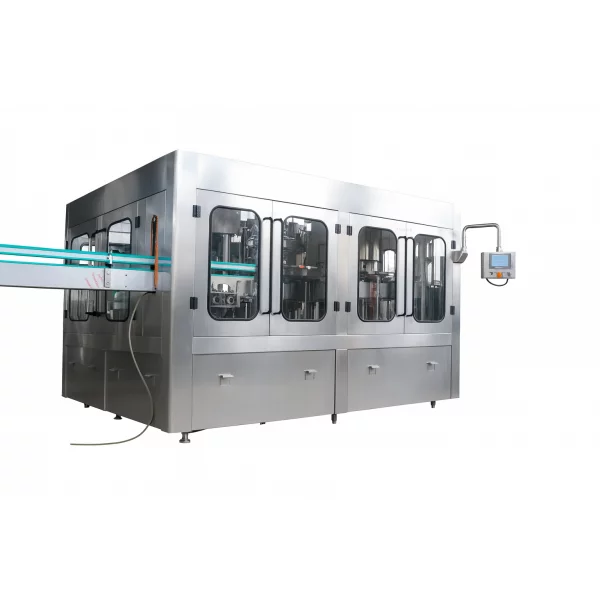
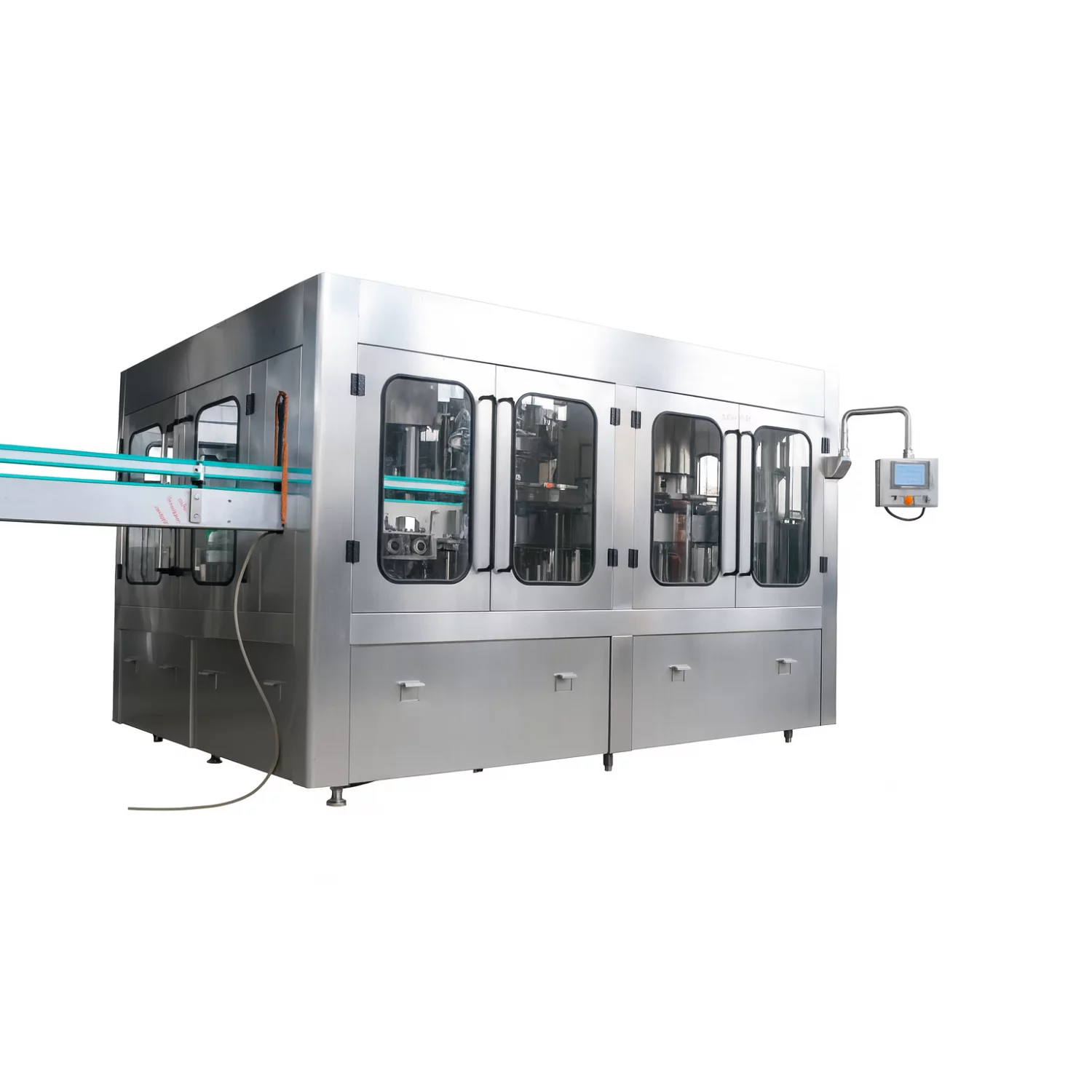
Automatic Glass Bottle RFC Isobaric Carbonated Beverage Filling Machine Details
Carbonated beverage bottling demands far greater control than still liquid filling. Carbonation retention, oxygen management, precise liquid levels, and hygienic sealing all play a decisive role in product taste, shelf life, and brand reputation. An Automatic RFC Isobaric Carbonated Beverage Filling Machine is therefore a critical investment for beverage manufacturers operating in competitive markets across United Kingdom.
Engineered for glass bottle carbonation, this monoblock system integrates rinsing, isobaric counter-pressure filling, and capping into a single, synchronized platform. Developed by Technogen Enterprise, the machine is designed to meet international bottling standards while delivering long-term mechanical stability and production confidence.
What Is an Automatic RFC Isobaric Carbonated Beverage Filling Machine?
An Automatic RFC Isobaric Carbonated Beverage Filling Machine is a fully integrated rinser–filler–capper designed specifically for carbonated products packaged in glass bottles. Unlike gravity or volumetric fillers, this system uses counter-pressure (isobaric) filling technology, which balances internal bottle pressure with tank pressure during filling.
This approach is essential for carbonated beverages such as soda, beer, tonic water, and sparkling drinks, where uncontrolled filling can cause foaming, CO₂ loss, and inconsistent fill levels. The RFC monoblock architecture minimizes handling, reduces contamination risk, and ensures uniform output at high production speeds.
Working Principle of the RFC Isobaric Carbonated Beverage Filling Machine
1. Rinsing Operation
Empty glass bottles enter the rotary rinsing turret, where they are securely held by neck grippers. The rinsing process includes:
Stainless-steel spray nozzles
Water or sterile air rinsing
Bottle inversion and effective drainage
Automatic No Bottle – No Rinse control
This stage ensures bottles are free from dust, glass particles, or contaminants before filling.
2. Isobaric Filling (Counter-Pressure Technology)
Isobaric filling is the industry-preferred method for carbonation-based beverages. The system uses ULTRA mechanical two-step filling valves and a pressurised filling bowl to maintain carbonation stability.
Step-by-step isobaric filling process:
Bottles are lifted and sealed tightly under the filling valve.
Air inside the bottle is evacuated to minimise oxygen presence.
CO₂ is injected to equalise bottle pressure with the product tank.
Beverage flows smoothly through the long filling tube.
Turbulence and foaming are controlled throughout filling.
Excess gas is gently released to achieve accurate fill levels.
Key benefits of isobaric filling:
Preserves carbonation and taste
Prevents foaming and overflow
Maintains uniform liquid levels
Minimises oxidation
Improves product shelf life
3. Capping Operation (Crown or ROPP)
After filling, bottles move directly to the capping turret. Customers can select one of the following configurations:
Crown Capping
Suitable for beer, soda, and aerated drinks
Tamper-proof sealing
Compatible with 26 mm or 29 mm crowns
Magnetic capping heads for consistency
ROPP Aluminium Capping
Ideal for premium beverages and tonic water
Adjustable knurling rollers
Leak-free sealing on glass bottles
The capping section is perfectly synchronised with filling to prevent bottle damage or seal inconsistency.
Key Features of the RFC Isobaric Carbonated Beverage Filling Machine
The following features are rewritten strictly from the provided inputs for clarity and professional flow:
Fully automatic rotary Rinser–Filler–Capper (RFC) monoblock
Designed for 100 ml to 1000 ml glass bottles
Choice of crown capping or ROPP aluminium capping
Stainless-steel frame with food-grade SS304 / SS316L contact parts
ULTRA isobaric valve technology for carbonation accuracy
Smooth bottle transfer through star-wheel system
PLC and HMI-based automation with real-time monitoring
CIP-compatible filling bowl and contact areas
Controlled CO₂ pressurisation and venting
Minimal foaming and precise filling performance
Easy maintenance and reduced downtime
Safety guarding with interlocking doors
Energy-efficient motors and drive systems
Technical Specifications
| Parameter | Specification |
|---|---|
| Bottle Material | Glass |
| Bottle Size Range | 100 ml to 1000 ml |
| Output Capacity | 2,000 – 9,000 bottles/hour |
| Rinsing Heads | 8 / 12 / 18 / 24 / 32 |
| Filling Heads | 8 / 12 / 18 / 24 / 32 |
| Capping Heads | 4 / 6 / 8 / 10 |
| Capping Type | Crown or ROPP Aluminium (customer choice) |
| Filling Technology | Isobaric counter-pressure filling |
| Filling Valve Type | ULTRA mechanical 2-step |
| CO₂ Pressure Range | 0.2 – 0.3 MPa |
| Rinse Pressure | 0.4 – 0.6 MPa |
| Construction Material | SS304 / SS316L |
| Electrical Supply | 3-Phase, 415V, 50/60 Hz |
| Automation | PLC + HMI |
| Machine Operation | Fully automatic |
| Safety Features | Interlocked guards, sensors, emergency stop |
Applications & Industries
This machine is ideally suited for:
Breweries and craft beer producers
Soda and aerated beverage manufacturers
Carbonated soft drink bottlers
Sparkling fruit beverage producers
Tonic water manufacturers
Energy drink production units
Contract bottling facilities
It supports a wide range of glass bottle formats while maintaining carbonation integrity.
Advantages & Buyer Benefits
For beverage producers and plant managers, this machine delivers measurable operational value:
Excellent carbonation retention
Highly consistent fill accuracy
Reduced oxygen pickup
Minimal manual intervention
Efficient cleaning and sanitation
Robust construction for continuous operation
Low operating cost per bottle
Quick bottle size changeover
Proven performance on high-speed lines
Why Choose Technogen Enterprise
Technogen Enterprise is trusted globally for beverage bottling solutions built for real production environments:
Deep expertise in carbonation filling technology
Export-grade manufacturing standards
High-precision stainless-steel fabrication
Flexible configurations tailored to each buyer
Strong after-sales and technical support
Competitive pricing with premium build quality
Beverage manufacturers across United Kingdom rely on Technogen Enterprise for durable, accurate, and future-ready RFC filling systems.
Frequently Asked Questions (FAQs)
1. Can the machine be supplied with both crown and ROPP capping?
Yes, it can be configured with either crown or ROPP capping based on requirement.
2. What bottle sizes are supported?
Glass bottles from 100 ml to 1000 ml.
3. Is the machine suitable for beer bottling?
Yes, the isobaric counter-pressure system is ideal for beer.
4. Does the machine maintain carbonation levels?
Yes, it is specifically designed to retain CO₂ during filling.
5. What production output can be achieved?
Between 2,000 and 9,000 bottles per hour depending on configuration.
Related Products
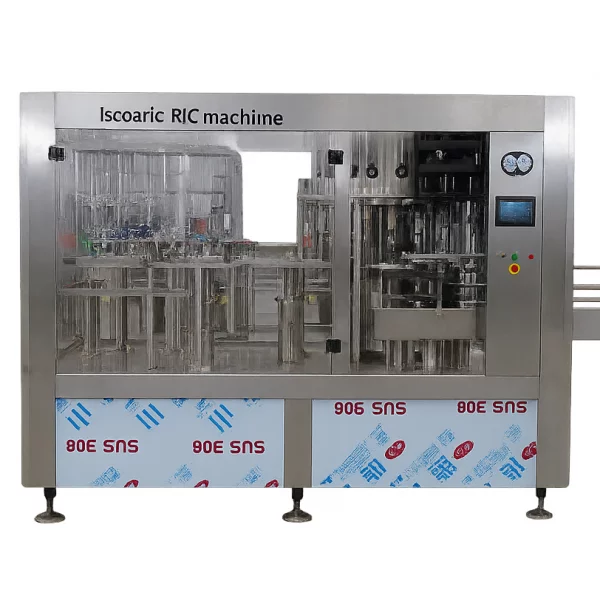
Automatic Plastic Bottle RFC Isobaric Carbonated Beverage Filling Machine
Bottling carbonated beverages in PET bottles requires precise pressure control, hygienic handling, and dependable sealin... Continue